[Scott Townsend Proposal and Archive]
I create digital and physical interactions and visualizations working in communities as a form of public engagement and research, recently integrating older ways of making with augmented reality. I publish and present with colleagues in the social sciences in peer-reviewed publications, books and conferences.
My research examines how design can function as a mediating practice within spaces of cultural, political, and social difference. Under the broader framework of borderwork, I investigate borders not simply as geographic or political demarcations, but as dynamic sites of interaction, negotiation, and knowledge production.
My work considers how people encounter and interpret contested spaces and how designed objects, environments, narratives, and participatory processes can facilitate dialogue across cultural, institutional, and disciplinary boundaries. This research is interdisciplinary in both its methods and its theoretical foundations, drawing from design research, social science, cultural studies, and theories of social interaction.
I. “Borderwork”
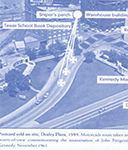
- Questions originated in observing audience behaviors and use of technology at US memorial sites.
- Originally site specific examining audience perspectives and attitudes of practical and cultural differences.
- Program of interactions across community groups often working with other academics.
- Completion through audience participation.
- Narrative: investigations into visual and textual/multilingual strategies.
- Contextual research.
- Scope: local to international, topic focused.
- Eastern and western Europe: EU policy and design strategies presenting alternatives to historical nationalism: the “branding of Europe” and the importance of design.
- Historical nationalism borders and control and evolving perspectives of new borders (US Europe etc.).
- Research into public spaces using research methods applied to specific designed objects and “tools.”
- Research and application of participatory design concepts, tying into earlier ideas of dialogue bridging tangibly into scenario building. Developed educational experiences for students design and social innovation. Exploring and developing interactions as published case-studies tying into reflexive methods in the social sciences. Important over-arching ideas include Anthony Giddens’s theory of structuration, Susan Leigh Star’s concept of boundary objects, and later work on networked knowledge etc.